

Chronic physical and mental illness affect a person’s life in many ways. Some days are better than others. It’s not always obvious that an individual is unwell or it shows up in ways that aren’t indicative of pain and suffering. Being aware and supportive will be helpful and meaningful to your friend or family member.
For Non-sufferers
For those of you lucky enough not to suffer from a chronic condition, this is how it can show up. Keep in mind that someone with a chronic condition often suffers from more than one.
- Extreme Fatigue – Not just from the illness itself but from constantly struggling to feel a little better.
- Lack of strength – Unable to do as much as before.
- Unpredictability – Feeling okay one minute and very ill the next. Not wanting to commit to going out with people and having to cancel at the last minute. Needing to go home immediately.
- Depression – Living with chronic illness takes a mental/emotional toll as well as a physical cost.
- Irritability and lashing out – Not able to interact with others. Wanting to be calm and quiet. Yelling when not left alone to suffer in silence with our pain, exhaustion, and lack of concentration.
- Constant pain, nausea, and unwellness to a greater or lesser degree.
- Extreme discomfort – Inflammation can make clothes feel tight. Tight or rough clothing can increase pain.
- Restlessness and inability to sit or rest comfortably, especially at night.
- Disordered sleep – Irregular sleep times. Not waking refreshed.
- Brain fog – Not feeling able to handle interactions with people. Extreme lack of focus. Unable to remember things or needing things to be explained more than once.
- Reticence – Not talking about suffering. It is constant and unending. It wears out sufferers and we don’t want to wear out our loved ones. Or be seen by others as complaining or attempting to get sympathy.
- Obsession – Illness is always in our thoughts, both setbacks and the small progressions that we latch onto like a lifeline. If this sounds exhausting, you’re beginning to understand.
This is how fibromyalgia, IBS, depression, and anxiety affect me. Other sufferers may experience different symptoms or have a different illness with similar effects. If you know or suspect someone you care about has an illness, let them know they can talk to you. And, if they choose to do so at some point, let them know you support and love them.
Most importantly, if a loved one doesn’t talk to you about it, cancels get togethers at the last minute, and, especially, lashes out when they are suffering, try to remember it’s not about you. We don’t mean to hurt you. Sometimes we can’t help it. But, please, tell us how our behavior impacts you. We may not have the words, emotional capacity, or the mental focus to bring it up with you. Boundaries are important in relationships with people with chronic conditions. Ultimately, talking about it can improve the relationship as well as give voice and support to the sufferer.
For Sufferers
As you know, living with a chronic condition means constant change, not having a comfort zone, and every day being both the same (suffering) and different (trying to mitigate suffering). Over the years, I have developed the following practices to accept and learn to live with my disabilities. I hope you find something that helps you.
Self-Care
Self-care is critical. It often feels like trying to hit a moving target. Some days I have to meditate for two hours to feel better physically and regain a measure of calm in the face of debilitating pain, fatigue, and unwellness. Other days I can plod slowly and carefully along, maybe even achieve a goal or two. I have three levels of self-care that I aspire to.
- Adaptive – For bad mornings or bad days, I do one thing at a time, one thing after another until I feel better. Nothing else matters. This can include applying heat or ice, moving carefully and mindfully, getting dressed in soft and loose-fitting clothes, brushing my hair, etc. Small things that can help me feel better.
- Basic – These are the things I strive to do every day such as meditate, write in my journal, gentle stretching, plan and eat healthy food, getting my steps, reading, light housework, write, rest, get fresh air, quick trips to the grocery or pet store, etc.
- Advanced – On the occasional good day, I try to push the envelope a little by spending more time out of the house, interacting with others, being more active.
Self-Compassion
Another thing that helps me is self-compassion. It took a long time to develop but it’s better than self-pity which just makes me feel worse. Self-compassion, like self-care, looks different each day. It means staying present with your suffering while loving and caring for yourself through it. Our power to change anything is only in the present moment. This means that we stop denying and struggling against our illness or wishing away the things that are painful, uncomfortable or otherwise unpleasant. Then we can focus on what we can do in this moment to feel better. One thing at a time, one after the other.
Dr. Kristin Neff offers some guided meditations too develop self-compassion on her website. Give yourself love and compassion every day. You deserve it.
Spirituality
Develop or deepen a spiritual practice to help you live with, and better manage, chronic illness. For me, that has been learning about Buddhism – the Four Noble Truths, The Eightfold Path, mindfulness and meditation. You can read more about these Buddhist teachings here.
The first Noble Truth is that life is suffering. In Buddhism we learn to accept that. Much suffering is caused by resisting what is rather than accepting it, showing ourselves (and others) compassion. Accepting means we acknowledge what is present, appreciate that it is painful, and nurture ourselves with loving kindness while staying present to our circumstances.
The Eightfold Path teaches a way to live a moral life, to take responsibility for our lives, and live the best life we can. It takes work to live a good life and manage illness. I felt that this was the way to live with my chronic conditions and try to live my best life.
Find what works for you. Embrace and embody your life so that you can live more fully within and beyond your perceived and current limitations. There are many resources – books, websites, magazines, and apps – that can help. Below are some that I’ve found helpful and may be ones you haven’t found already.
Insight Timer – a free app with thousands of free guided meditations as well as a meditation timer. Available on Apple and Android.
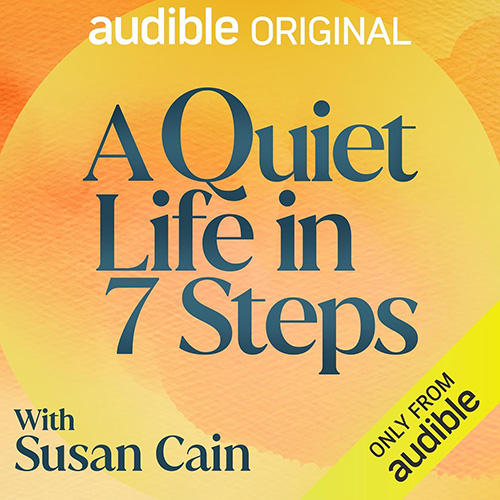
A Quiet Life in 7 Steps by Susan Cain – Audible Only and not specifically for chronic illness but very helpful. Grief and emotions are a significant part of our suffering and this book will help with both of these. Also, Cain has a lovely, soothing voice!
A Quiet Life in 7 Steps by Susan Cain
Buy on Amazon
When you buy a book using a link on this page, we may receive a commission at no cost to you. Thank you for supporting the author and The Self-Help Stop.
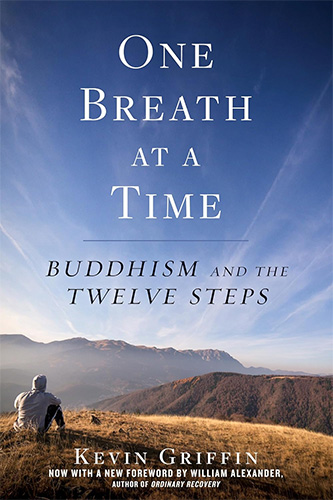
One Breath at a Time: Buddhism and the Twelve Steps by Kevin Griffin. This is focused on recovery from addition but I found Griffin’s explanation of Buddhist concepts such as acceptance and surrender to be immensely helpful from managing the emotions that are part of chronic illness.
One Breath at a Time by Kevin Griffin
Buy on Amazon
When you buy a book using a link on this page, we may receive a commission at no cost to you. Thank you for supporting the author and The Self-Help Stop.
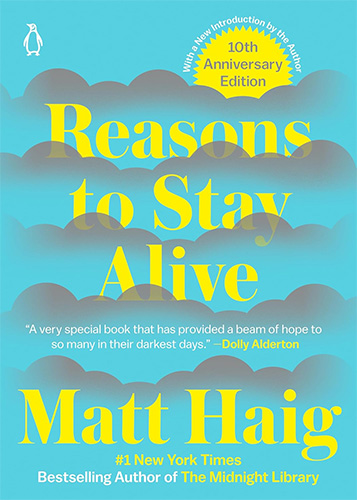
Reasons to Stay Alive by Matt Haig. I don’t agree with him on antidepressants. Meds have helped me greatly. But reading about another’s struggles can be helpful on multiple levels.
Reasons to Stay Alive by Matt Haig
Buy on Amazon
When you buy a book using a link on this page, we may receive a commission at no cost to you. Thank you for supporting the author and The Self-Help Stop.
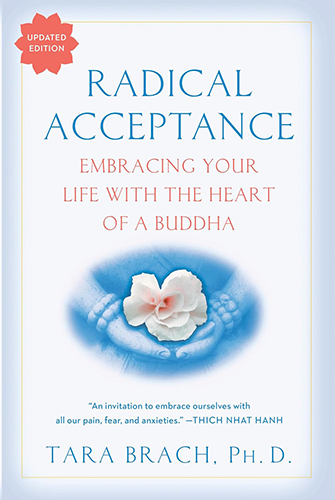
Radical Acceptance: Embracing Your Life With the Heart of a Buddha by Tara Brach. A great resource for those who want to stop struggling against what is and use that energy for more positive outcomes.
Radical Acceptance by Tara Brach
Buy on Amazon
When you buy a book using a link on this page, we may receive a commission at no cost to you. Thank you for supporting the author and The Self-Help Stop.
Check out the other articles on this site and the free resources on my other website.
Happiness
Do what makes you happy. I read a lot. I write. I create content in Canva. Being creative and escaping into the worlds found in books makes me happy. Spending time with my family and dog is sweet. Making my environment comfortable, uncluttered and beautiful is calming and soothing. Cultivate your happiness. Make it a priority so there is something to look forward to: time when you’re not consumed by your illness.
Goals
With chronic illness, it can be difficult to achieve goals. Break down goals into the smallest steps that you can accomplish on your worst day. This will help you make progress and feel good about that rather than being frustrated and increasing stress and symptoms. Download goal setting worksheets here to help.
Therapy
Some studies suggest that chronic conditions can be caused by trauma, especially early trauma. Therapy can help work through painful experiences and their lasting effects. Nowadays, it’s easier and more affordable to get help. Many employers and healthcare insurances cover at least four sessions. And there are online options rather than having to drive to the provider’s office.
Final Thoughts
With so much going on, it’s important to practice self-care, self-compassion, and to empower yourself through spirituality, therapy and even achieving goals. Remember that you are not alone. You are not the only one who suffers. I would love to hear from you. What resources have you found helpful? What self-care or self-compassion practices have been beneficial to you?
 Self-Help Stop
Leave a comment